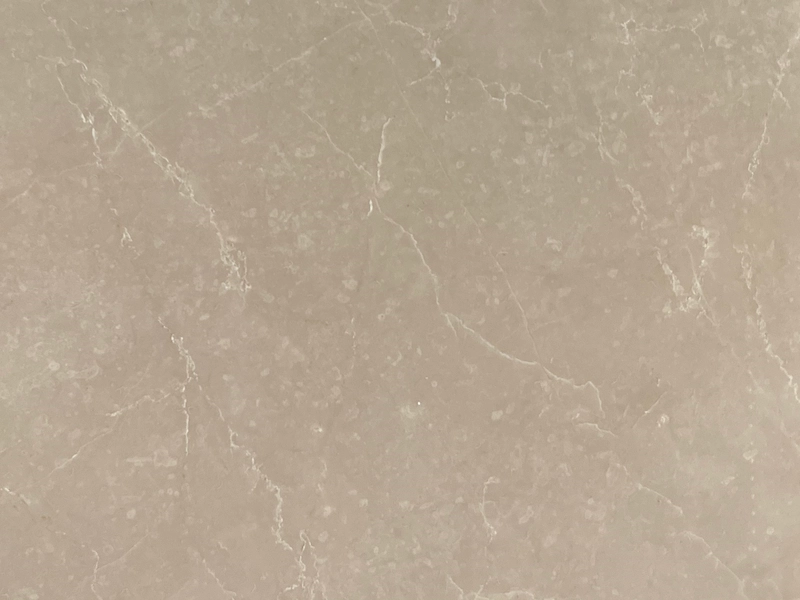
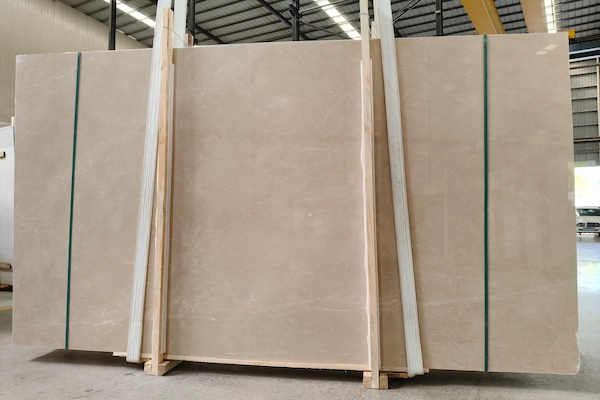
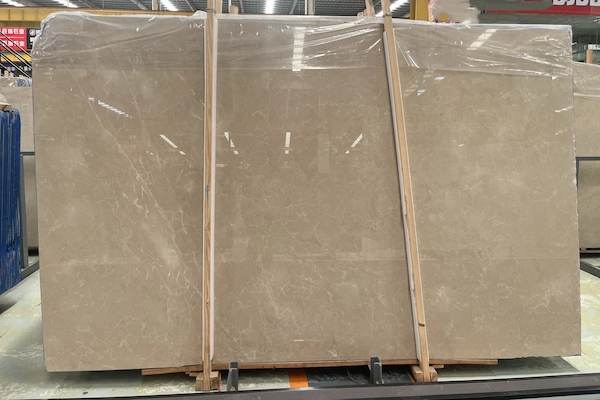
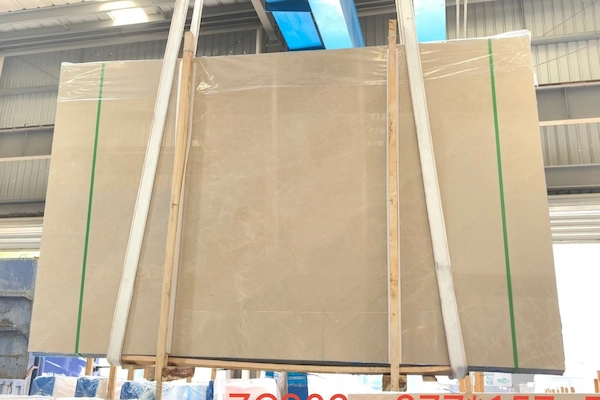
Burdur Beige Marble
Turkish beige marble slabs for classic interiors · direct export
Burdur Beige Marble is a natural calcareous stone quarried in the Burdur region of southwestern Turkey, distinguished by warm cream tones and subtle directional veining. This Turkish classic is among the most consistent beige marbles available for large-scale commercial projects. Sun Young Corp supplies Burdur Beige Marble slabs and tiles in nine finishes to more than 40 export markets.
Technical Specifications
- Stone Type
- Natural Marble (calcareous)
- Origin
- Turkey (Burdur region)
- Color
- Warm cream with subtle veining
- Slab Size
- 2700 x 1600 mm (custom available)
- Thickness
- 18 mm / 20 mm / 30 mm
- Water Absorption
- Medium (sealant required)
- Density
- 2.65–2.75 g/cm³ (reference marble)
- Best Use
- Commercial floors, hotel cladding
Frequently Asked Questions
What is Burdur Beige Marble?
Burdur Beige Marble is a natural calcareous stone quarried in the Burdur region of southwestern Turkey, characterised by warm cream tones and subtle directional veining. It belongs to the family of Turkish beige marbles prized for tonal consistency across large slab formats.
Where does Burdur Beige Marble come from?
Burdur Beige Marble is quarried exclusively in the Burdur region of southwestern Turkey. The region's limestone deposits have specific mineral composition that produces the characteristic warm cream tones and consistent veining that distinguish Burdur from other Turkish beige marbles.
What finishes are available?
All nine standard marble finishes are available: Polished, Honed, Leathered, Bush-hammered, Sandblasted, Brushed, Antique, Tumbled, and Sawn. Polished is most common for commercial flooring; Honed and Tumbled are preferred for bathroom and outdoor applications.
Is Burdur Beige Marble suitable for outdoor use?
When finished in Tumbled, Bush-hammered, or Sandblasted textures, Burdur Beige Marble can be used in exterior applications in mild climates. Polished and Honed finishes are not recommended for outdoor use due to slip risk and surface degradation from freeze-thaw cycles.
How does Burdur Beige Marble compare to Crema Marfil?
Both are warm cream Spanish/Turkish beige marbles, but Burdur Beige Marble tends toward slightly warmer cream tones and more uniform veining. Crema Marfil often shows stronger irregular veining. Burdur Beige is preferred when consistent tone across large floor areas is the priority.
What are the best applications?
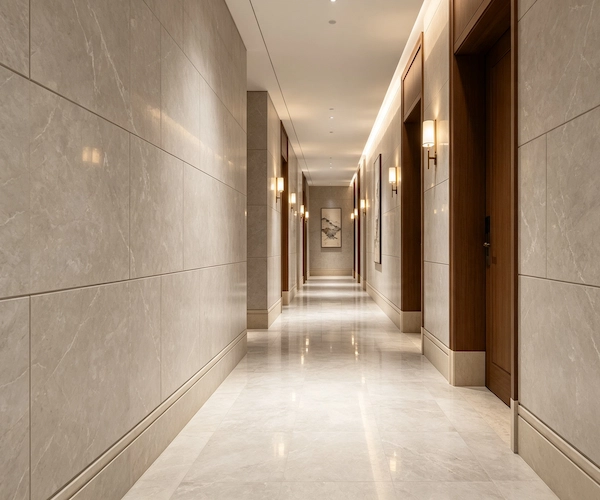
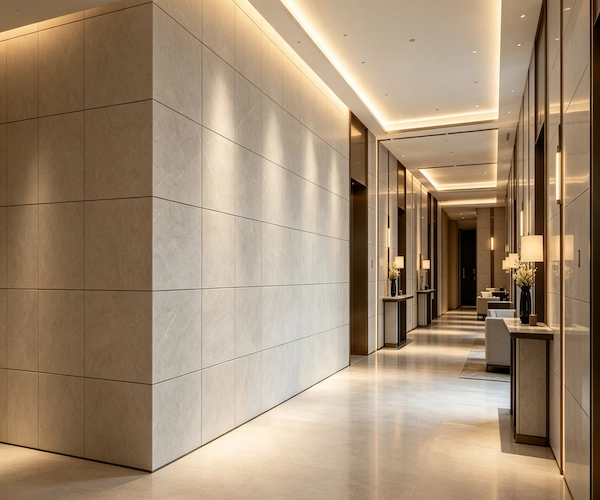
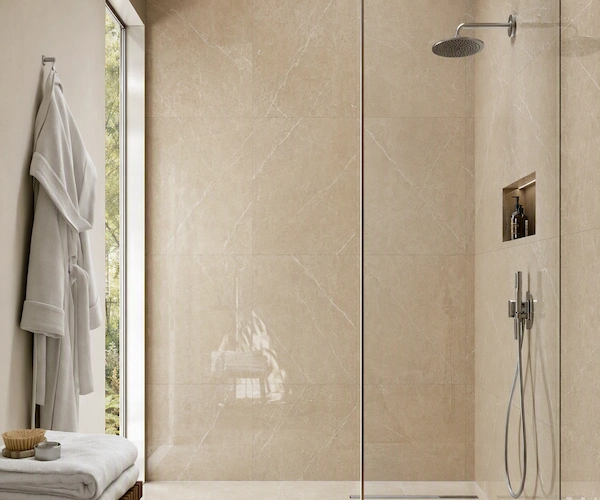
Burdur Beige Marble excels in commercial flooring, hotel corridor cladding, luxury villa floor installations, and classic residential bathroom walls. The combination of warm cream tone and large-format slab availability makes it a top choice for high-traffic hospitality projects.
How do I maintain Burdur Beige Marble?
Sealing at installation and periodic resealing every 12 to 18 months is required. Clean only with pH-neutral stone cleaners; avoid acidic products. For high-traffic commercial floors, expect to repolish the surface every 3-5 years depending on foot traffic to maintain the original finish.
Can Burdur Beige Marble be used in kitchens?
Yes - Burdur Beige Marble performs well as kitchen countertops and island surfaces when properly sealed. The warm cream tone is forgiving for everyday kitchen use and pairs well with both traditional and contemporary cabinetry. Use cutting boards to prevent surface scratches.