Red Travertine
Warm Turkish travertine for floors, walls, and exterior paving
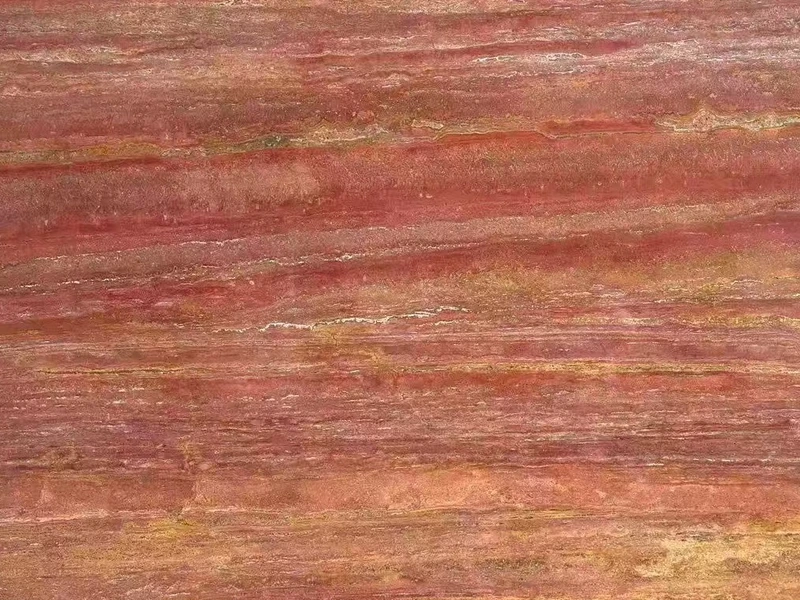
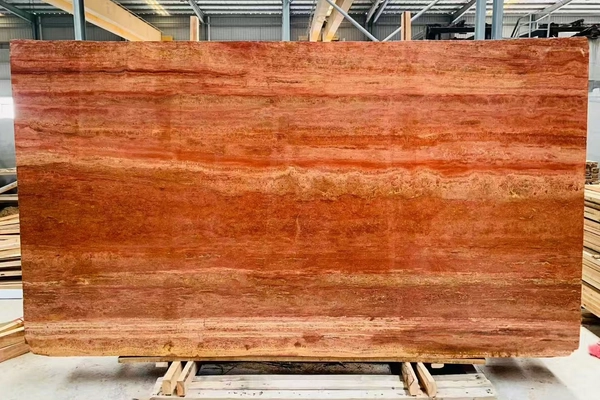
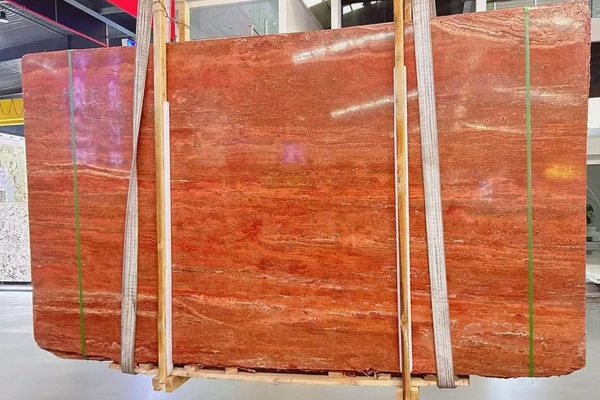
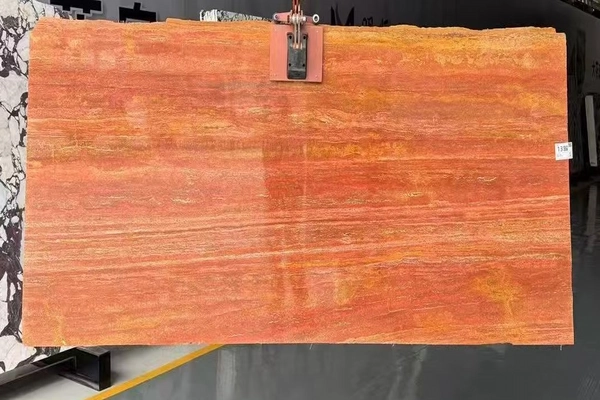
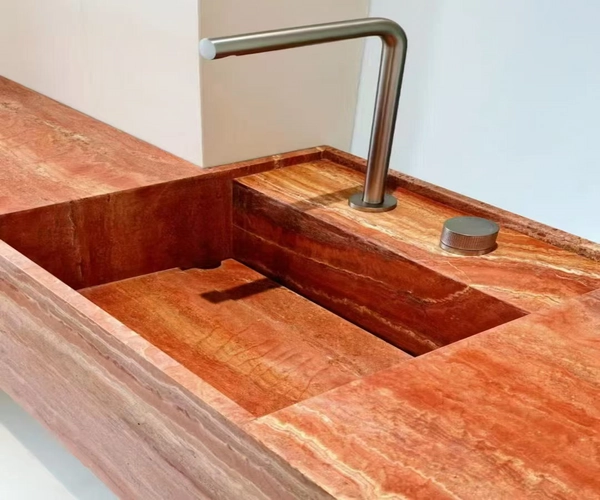
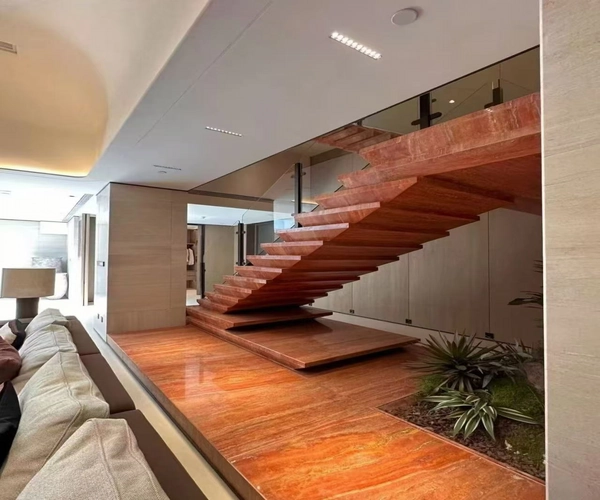
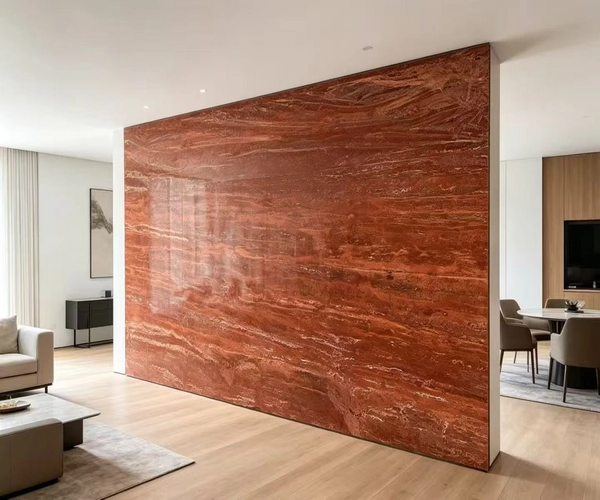
Red Travertine is a warm-toned variety of natural travertine stone quarried primarily in Turkey. Characterized by distinctive red and terracotta coloring with the signature porous surface texture, Red Travertine has been specified for hotel lobbies, bathroom cladding, exterior facades, and pool surrounds in residential and commercial projects worldwide.
Technical Specifications
- Material Type
- Natural Travertine
- Color
- Red / Terracotta with warm undertones
- Origin
- Turkey (primary quarry source)
- Slab Dimensions
- Custom cut to project specification
- Water Absorption
- Approximately 2-4 percent (typical for travertine family)
- Compressive Strength
- Approximately 80-100 MPa (typical for travertine family)
Frequently Asked Questions
What is Red Travertine?
Red Travertine is a warm-toned variety of natural travertine stone quarried primarily in Turkey. It features distinctive red and terracotta coloring combined with the signature porous surface texture that defines travertine as a stone family.
Where does Red Travertine come from?
The majority of Red Travertine is quarried in Turkey, with secondary sources in Iran and Mexico. Turkish quarries produce the most consistent red coloration and the largest slab dimensions suitable for international export projects.
What finishes are available for Red Travertine?
Sun Young Corp supplies Red Travertine in 9 finishes: Polished, Honed, Brushed, Tumbled, Filled, Unfilled, Sandblasted, Bush-hammered, and Sawn. Filled finishes have surface pores filled with resin for smoother texture, while unfilled options preserve the natural porous travertine appearance.
Is Red Travertine suitable for outdoor use?
Yes, Red Travertine performs well in outdoor applications including patios, pool surrounds, garden pathways, and exterior facades. For outdoor installations, we recommend Tumbled, Bush-hammered, or Sandblasted finishes which provide slip resistance and weather durability.
How does Red Travertine compare to Red Marble?
Red Travertine and Red Marble differ in formation, hardness, and appearance. Travertine forms from mineral spring deposits and has natural porous texture. Marble forms from metamorphic pressure and has crystalline structure. Travertine is generally softer but more slip-resistant.
What are common applications for Red Travertine?
Common applications include floor tiles for hotels and commercial spaces, wall cladding for interior and exterior facades, bathroom vanity tops, pool surrounds, garden pathways, and decorative pavers for landscape architecture.
How do you maintain Red Travertine?
Red Travertine requires periodic sealing, typically every 1-2 years for filled surfaces and more frequently for unfilled surfaces. Clean with pH-neutral stone cleaners, avoid acidic substances, and address spills promptly to prevent staining in the porous surface texture.
Can Red Travertine be used in bathrooms?
Yes, Red Travertine is widely used in bathroom applications including floor tiles, wall cladding, vanity tops, and shower surrounds. Filled and honed finishes are typically recommended for bathroom floors to ensure slip resistance and ease of maintenance.